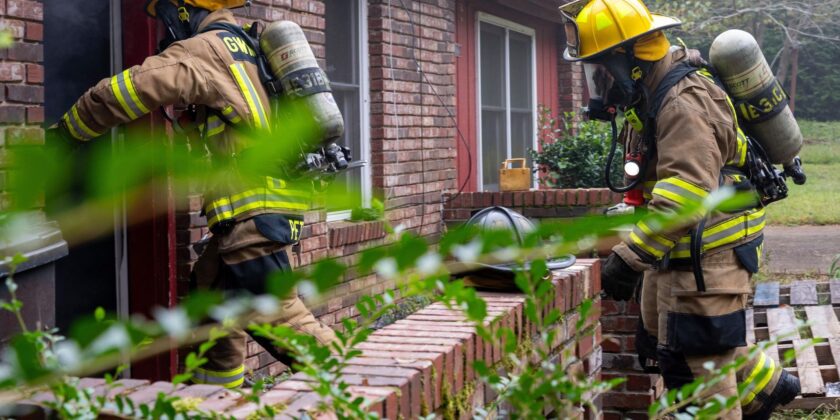
Firefighters Rule for People when  HouseFire

Firefighters Rule for People when HouseFire

During a fire, do not hide in bathrooms, closets, or bedrooms.Firefighters want you to remember one simple rule: Get out and stay out.Fires spread fast. Smoke fills rooms quickly. Waiting or hiding can put your life at serious risk.If there is smoke or fire in your home:• Leave immediately• Use the nearest safe exit• Go to your outside meeting place• Call 9-1-1 from outsideYour belongings can be replaced. Your life cannot.
Read More
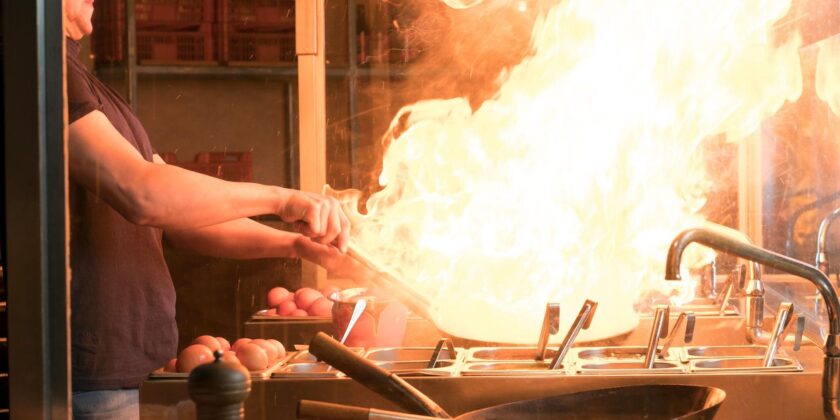
Grease Fire — Safety Tips

Grease Fire — Safety Tips

If a grease fire starts on your stove: Turn off the heat if it’s safe to do so Cover the pan with a metal lid Use a fire extinguisher Never use water; it can make the fire explode Never try to move the burning panWhen in doubt, get out, stay out, and call 9-1-1.Your safety comes first. A Few More Tips :  If a grease fire starts in your kitchen, never use water to extinguish it. Water will cause the burning oil to splash and vaporize, resulting in a dangerous fireball that can rapidly spread the fire and cause severe burns. Firecode Safety Equipment, Inc. +2 (1)…
Read More
Residential Safety Guide – Firefighters Tips

Residential Safety Guide – Firefighters Tips

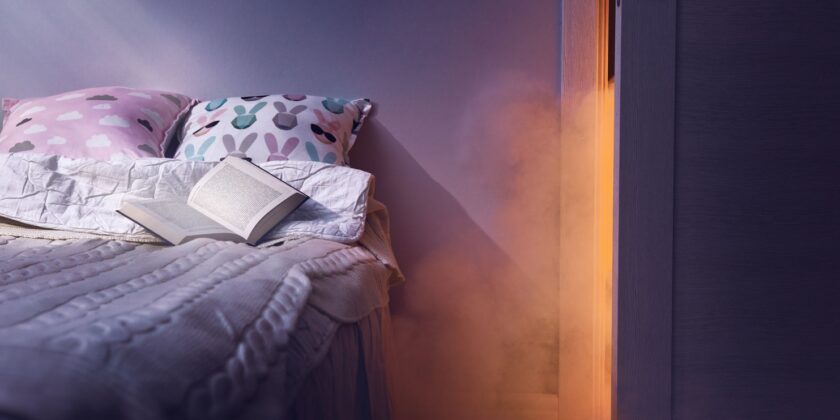
One simple habit can help save lives while you sleep.Firefighters recommend closing bedroom doors before going to bed.A closed door can:• Slow the spread of fire and smoke• Reduce heat inside the room• Give you more time to escape safelyIt takes seconds to close a door, but it could give you minutes when it matters most. Close before you doze.To ensure you and your home are prepared for fire-related emergencies, visit our Residential Safety Guide: GwinnettCounty.com/SafetyGuide Residential fire safety guidelines focus on three critical phases: prevention, preparation, and emergency response. Adhering to these protocols can reduce the risk of fire and significantly increase survival rates…
Read More
Cold Weather – Driving Safety Measures

Cold Weather – Driving Safety Measures

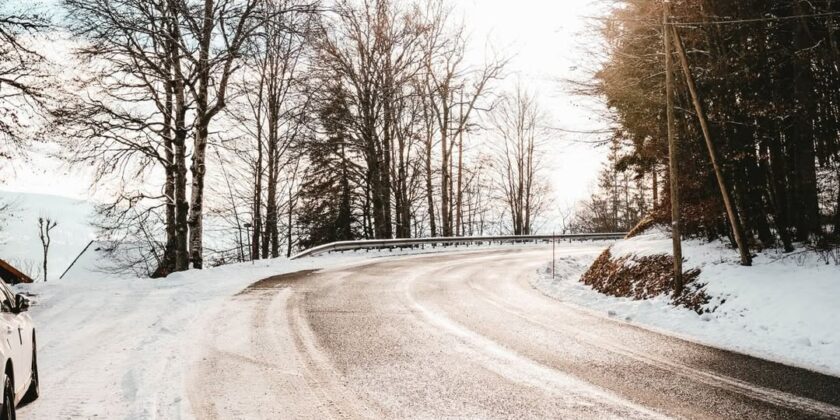
When roads are cold, every decision counts. Winter weather can make driving conditions unpredictable and dangerous, especially when black ice forms and blends in with the road surface. Remember: Slow down. Stay alert. Get home safe. Give yourself extra space Avoid sudden braking Watch bridges and shaded areas Stay focused behind the wheel. Smart driving saves lives. For more information on winter driving safety, visit GwinnettSafety411.com. To ensure safety during cold weather, driving requires a shift in both vehicle preparation and on-road behavior. Experts emphasize three core principles: Prepare the vehicle and driver, Protect yourself and passengers, and Prevent crashes through defensive driving.  SafetyCulture +1 1. Essential…
Read More
Emergency Care – Call 911

Emergency Care – Call 911

Emergency care starts before you reach the hospital. Call 911 if someone has: • Chest pain or pressure • Stroke symptoms (face drooping, arm weakness, speech trouble) • Trouble breathing • Severe bleeding • Loss of consciousness • Serious injuries Firefighters, EMTs, and paramedics can begin life-saving care immediately and alert hospitals before arrival. When every minute matters, call 911.
Read More
Emergency Vehicles On Road – Tips

Emergency Vehicles On Road – Tips

See flashing lights? Hear sirens?Move to the right and give emergency vehicles space.Slow down. Stay alert. Don’t block intersections.Your quick action helps first responders reach people who need help. When you see or hear an emergency vehicle with its lights or sirens activated, the primary objective is to clear a safe path immediately. Emergency vehicles always have the right-of-way in these situations.  (1) When an Emergency Vehicle is Approaching : Stay Calm and Alert: Reduce distractions by turning down music and avoiding phone use. Keep an eye on your mirrors to track the vehicle's speed and direction.Pull to the Right: Use your turn signal and move…
Read More
Shorter Days & Darker Evenings — Safety Tips

Shorter Days & Darker Evenings — Safety Tips

🚶‍️ Shorter days and darker evenings can increase the risk of incidents involving pedestrians.Firefighters and medical crews remind residents:•Wear bright or reflective clothing•Use sidewalks and crosswalks when available•Make eye contact with drivers before crossing•Avoid distractions like phones when near trafficVisibility and awareness can prevent serious injuries. Be seen. Be safe. A few more tips : As days shorten and nights grow longer, decreased visibility significantly increases risks for pedestrians. Approximately 76% of pedestrian fatalities occur in dark conditions. Following these safety protocols can help you remain visible and secure during low-light commutes or evening walks.  1. Maximize Your Visibility :  Wear Reflective Gear: Use clothing…
Read More
Cooking Safety Tips !!!

Cooking Safety Tips !!!

It’s Valentine’s Day! Date night, friends’ night, or solo night, safety is always in style. Cooking dinner? Don’t leave the stove unattended. Setting the mood? Keep candles at least 12 inches from anything flammable. Heading out? Buckle up and plan a safe ride home. When seconds matter most, being prepared makes the difference. Take two minutes to make sure you've incorporated these tips into your Valentine’s Day plan. Like this post if you’re celebrating YOU today.
Read More
Water Conservation Tips

Water Conservation Tips

Show our water resources some love this season! Small, simple actions like only doing full loads of laundry, shortening showers, and watering plants wisely can make a big difference in conserving water and protecting the source of our drinking water, Lake Lanier. Make a difference where you live. Learn more at GwinnettCounty.com/GetEducated.
Read More
Carbon Monoxide Poisoning – Safety Tips

Carbon Monoxide Poisoning – Safety Tips

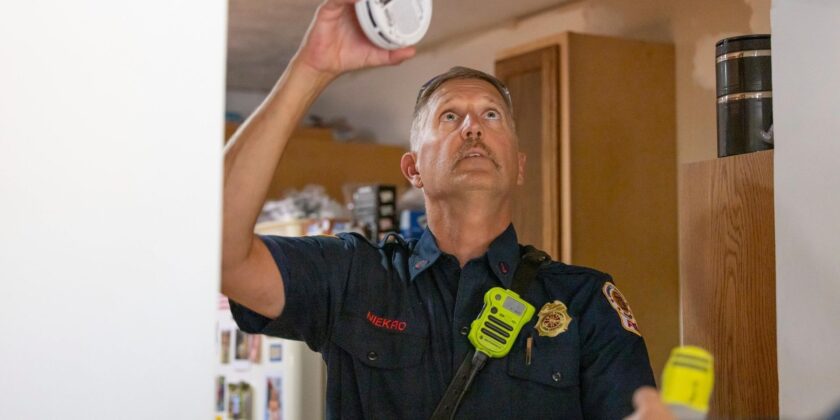
Carbon monoxide is an invisible, odorless gas, and it can be deadly.Many carbon monoxide emergencies happen because everyday household appliances aren’t working properly or being used safely.Common sources of carbon monoxide include: Gas furnaces, fireplaces, and space heaters Vehicles running in garages (even with the door open) Gas powered water heaters Generators and grills used indoors or too close to windows When fuel doesn’t burn completely, carbon monoxide can build up inside your home without warning. Firefighters recommend: • Install carbon monoxide alarms on every level of your home• Test alarms monthly• Only use grills or generators outdoors• Have fuel-burning appliances inspected…
Read More