
 See flashing lights? Hear sirens?
Move to the right and give emergency vehicles space.
Slow down. Stay alert. Don’t block intersections.
Your quick action helps first responders reach people who need help.
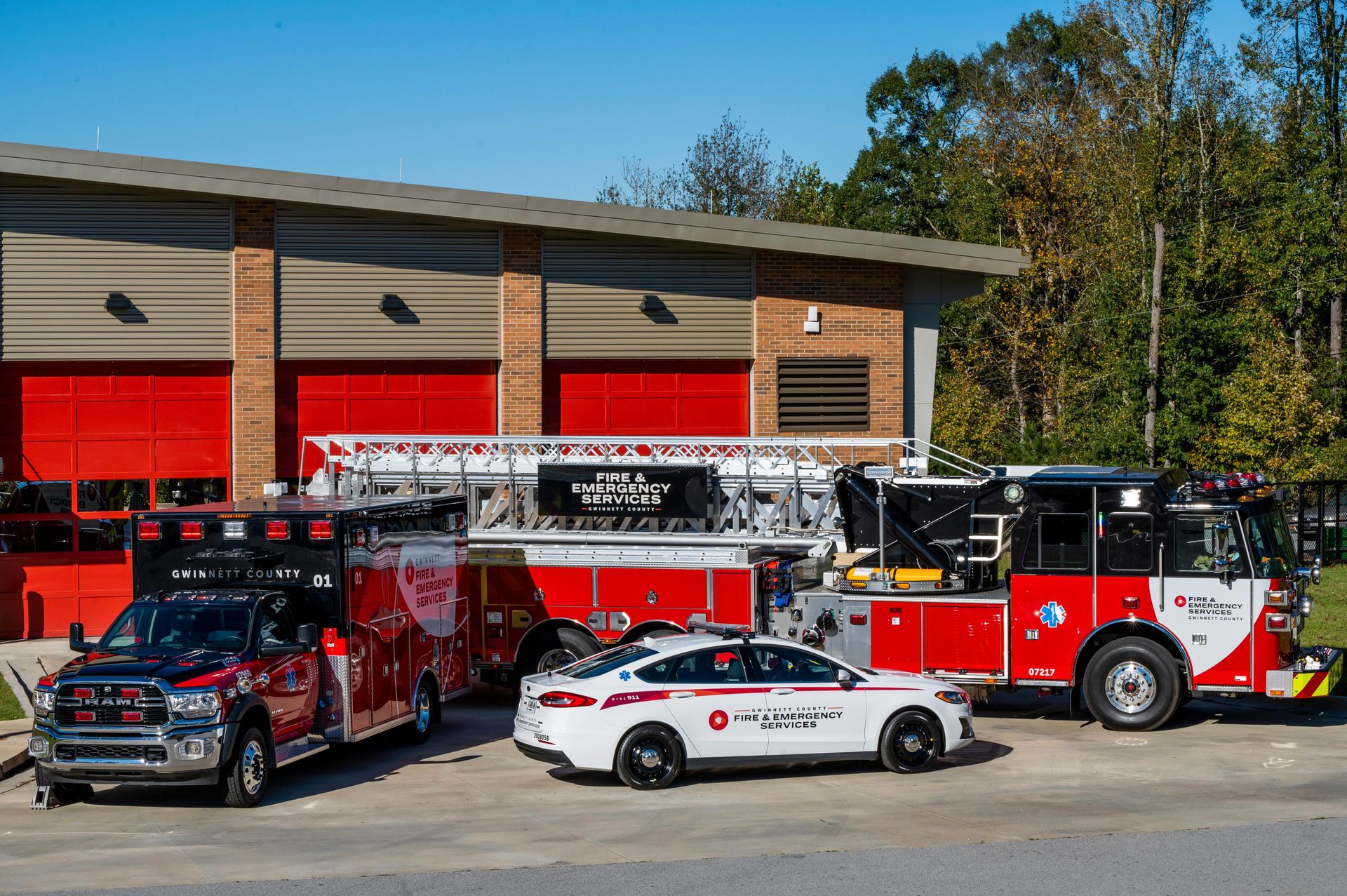
When you see or hear an emergency vehicle with its lights or sirens activated, the primary objective is to clear a safe path immediately. Emergency vehicles always have the right-of-way in these situations.
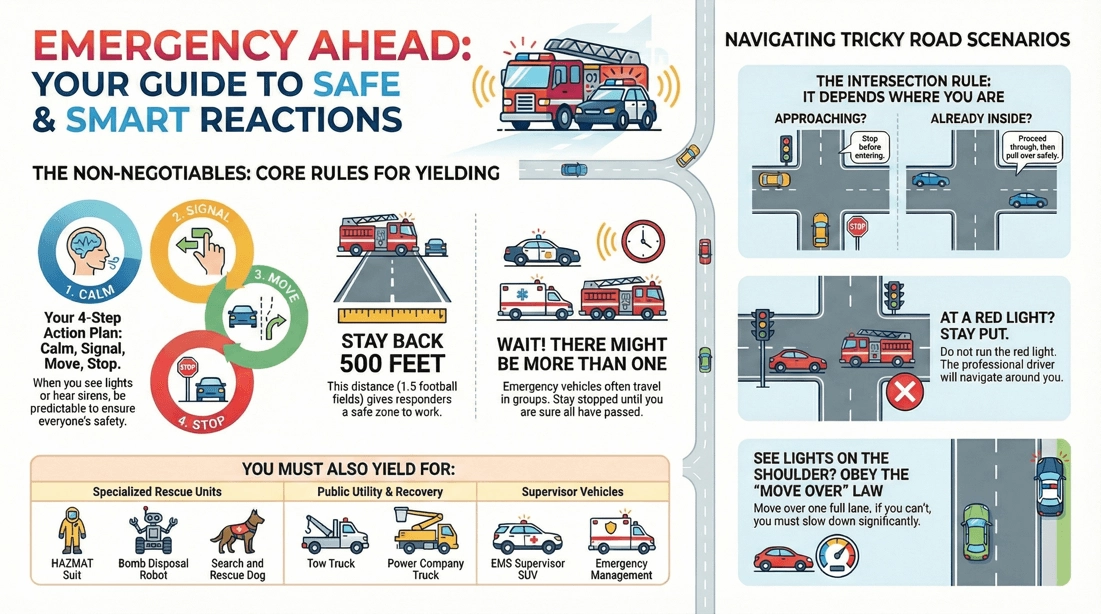
(1) When an Emergency Vehicle is Approaching :
- Stay Calm and Alert: Reduce distractions by turning down music and avoiding phone use. Keep an eye on your mirrors to track the vehicle’s speed and direction.
- Pull to the Right: Use your turn signal and move your vehicle as far to the right-hand edge or curb as safely possible.
- On a multi-lane road, merge to the right lane before stopping.
- On one-way streets, you may move to the nearest curb (left or right).
- Stop and Remain Still: Once pulled over, come to a complete stop and keep your foot on the brake so your brake lights signal you have stopped. Stay put until the vehicle has fully passed.
- Clear the Intersections: Never stop inside an intersection. If you are already in one, continue through it first, then pull over to the right once clear.
- Watch for Multiple Vehicles: Often, more than one emergency vehicle will respond to the same incident. Check your surroundings carefully before merging back into traffic.
(2) When Approaching a Stopped Emergency Vehicle :
Most regions have “Move Over” laws to protect first responders working on the roadside:
- Move Over: Change lanes away from the stopped vehicle if it is safe to do so.
- Slow Down: If a lane change isn’t possible, reduce your speed significantly and proceed with extreme caution. Some areas require slowing to specific speeds (e.g., 20 mph below the limit).
(3) What NOT to Do :
- Do Not Follow Closely: It is illegal and dangerous to “tailgate” an emergency vehicle to bypass traffic. Maintain a following distance of at least 300 to 500 feet.
- Do Not Stop Abruptly: Avoid slamming on your brakes or making erratic maneuvers, which can cause secondary collisions.
- Do Not “Rubberneck”: Avoid slowing down just to look at an accident scene, as this causes congestion and endangers responders.
For more specific regional details, you can consult your local Department of Motor Vehicles (DMV) or NHTSA guidelines.
Views: 4