Why Firetrucks-Red Color

Why Firetrucks-Red Color

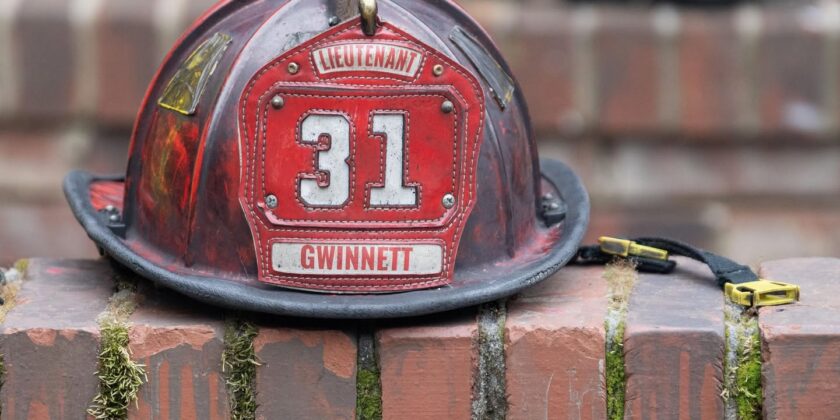
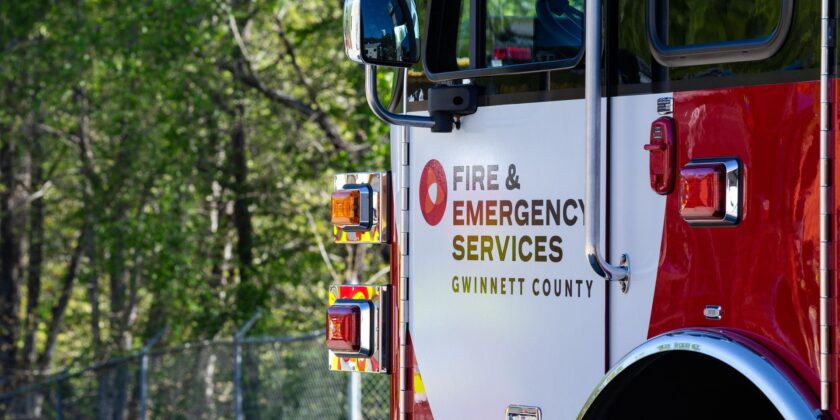
Have you ever wondered why firetrucks are often painted red? It’s because red paint was once the most affordable color for departments to purchase during the Great Depression! As time marched on and the nation’s financial situation improved, the red paint had become a recognizable symbol of fire protection for communities, so the color stuck around. Actually, black was the most affordable color during the time when motorized fire trucks starting to be produced (early 1900’s), red was one of the most expensive colors (there weren’t many). There were two reasons that red was used. 1) Almost every vehicle of that…
Read More
FireSafety Programs – Spring

FireSafety Programs – Spring

As we prepare to “spring” forward tonight, our department wanted to share a short list of things to check while adjusting your clocks this weekend: •Make sure your smoke and carbon dioxide detectors have fresh batteries. •Create or review your family’s escape plan in the event of a house fire. •Ensure your children’s car seats are properly installed! For more information on our department’s Fire Safety programs, please visit GwinnettCounty.com/CommunityEducation.
Read More
Dialling 911 Tips

Dialling 911 Tips

Calling 911 for our assistance is never casual and should be taken seriously. Here are some tips you should know before dialing 911: Dial 911 to report any incident requiring immediate dispatch of a fire truck or an ambulance, such as medical emergencies, fires, motor vehicle accidents, and more. If you’re placed on hold, please stay on the line! Calls are processed in the order they’re received. If you happen to dial 911 accidentally, don’t hang up! Dispatchers must call all phone numbers back and, if no contact is made, a police officer will be dispatched to your address to…
Read More
10 Essentials Emergency Kit

10 Essentials Emergency Kit

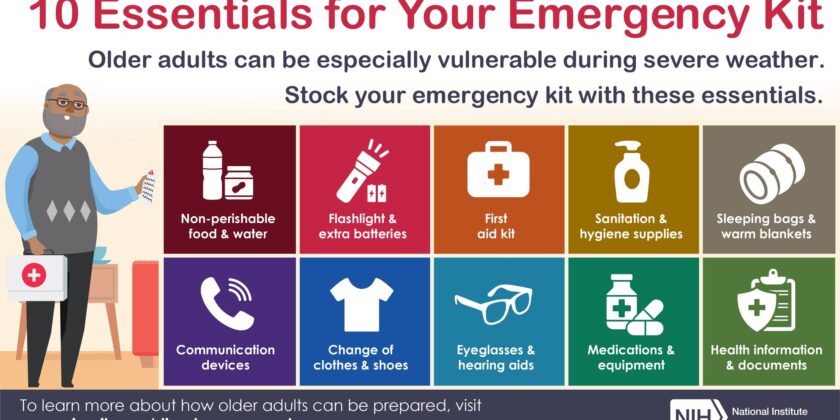
Emergency kits should contain: Water (one gallon per person per day for several days, for both drinking and sanitation) Food (at least a several-day supply of nonperishable food) and a manual can opener Battery-powered or hand-cranked radio for weather and evacuation information Flashlight or headlamp with extra batteries First-aid kit Dust masks, plastic sheeting, and duct tape to help filter contaminated air Soap, hand sanitizer, personal hygiene, and sanitation supplies Wrench or pliers (to turn off utilities) and multitool for general use Sleeping bags or warm blankets Whistle (to signal for help) Cell phone with chargers and a backup battery Local…
Read More
FireFighters Terminology — LearnTheLingo – TrashLine-03

FireFighters Terminology — LearnTheLingo – TrashLine-03

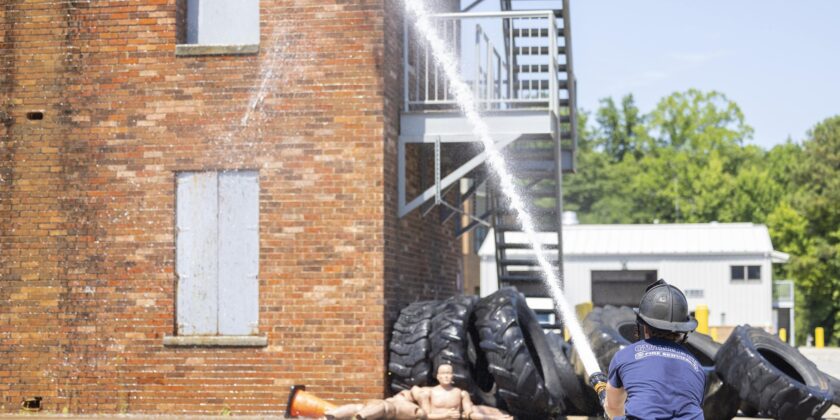
Trash Line :  A Trash Line is a short hose that firefighters use for small fires like dumpster fires, car fires, and brush fires. Firefighters can quickly access the trash line from the front bumper of their fire engine. How trash lines are used Trash lines are typically 100 feet long and 1¾ inches in diameter.  They are stored in the hose trays in the front bumper, on the side running boards, or in the compartments.  Firefighters can deploy the trash line directly from the tray or pull out sections of the line.  Why are trash lines used? Trash lines are…
Read More
Smoke Alarms & Fire Extinguishers Maintenance – Spring Forward Sunday

Smoke Alarms & Fire Extinguishers Maintenance – Spring Forward Sunday

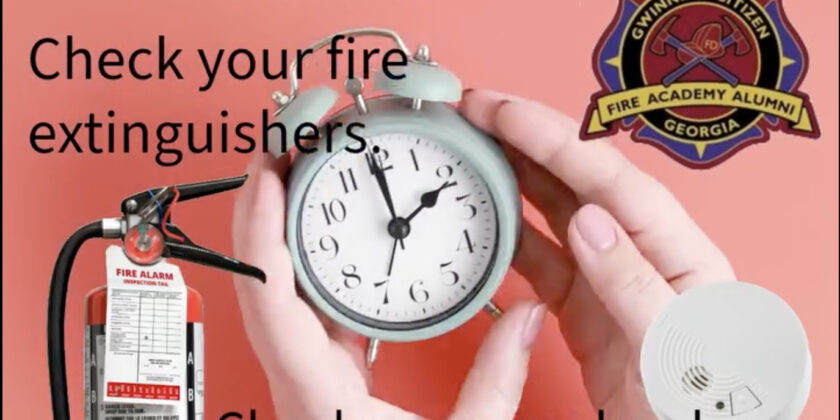
Check your Fire Extinguishers & Smoke Alarms, they need to be replaced every 10 Years. Smoke Alarm Maintenance: Test monthly: Press the test button on your smoke alarm to ensure it sounds loudly.  Battery replacement: Change batteries at least once a year, even if the alarm isn't chirping, and use the recommended battery type.  Cleaning: Regularly vacuum or dust around the smoke alarm to remove debris that could interfere with its function.  Replacement: Replace the entire smoke alarm unit every 10 years, regardless of battery condition.  Listen for chirps: A chirping sound indicates a low battery and needs immediate attention.  Fire Extinguisher Maintenance: Visual inspection:…
Read More

Boating Safety Tips – Fire Department

Boating safety tips include wearing life jackets, following navigation rules, and being aware of the weather.  Life jackets  Ensure everyone wears a properly fitted life jacket Carry extra life jackets in both adult and child sizes Navigation  Follow navigation rules and drive at a safe speed Be aware of low water areas or submerged objects Know the nautical rules of the road Weather  Check the weather forecast before setting sail Be prepared for weather changes If you notice storm clouds, a sudden temperature drop, or wind speed increasing, get off the water Alcohol  Never drink alcohol while operating a vessel Alcohol…
Read More