House Fire – Firefighters At Winthrope Way

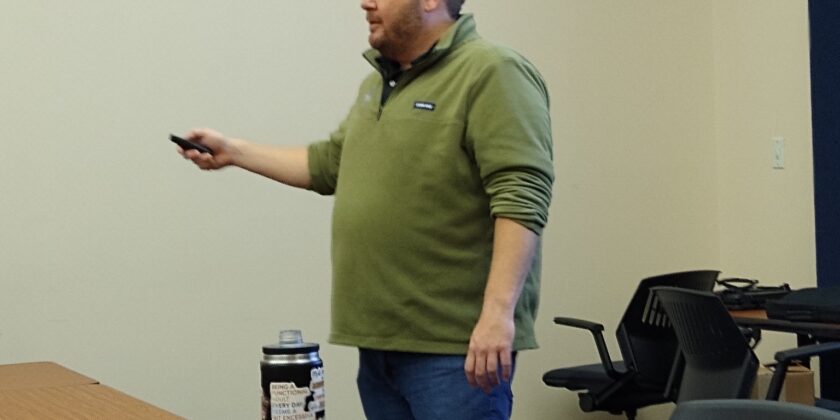
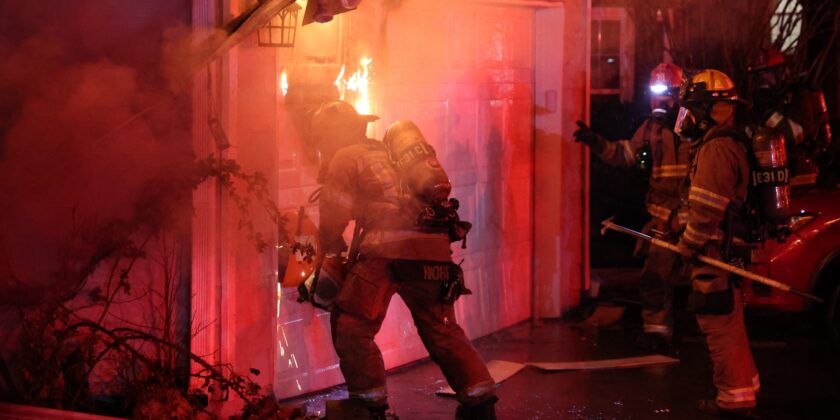
This afternoon, firefighters responded to the 2600 block of Winthrope Way in Lawrenceville for a house fire. Fire crews quickly extinguished the flames with two hose lines, searched the home, and assessed one individual with minor injuries. The cause of the fire was accidental and the occupants were notified of the fire by their smoke alarms. Due to the firefighter's training and speed on the scene, they extinguished the fire in 17 minutes. For more Pics :
Read More
Home Safety Survey Program – GCFES

Home Safety Survey Program – GCFES

Fire and Emergency Services is always here to support seniors, especially through our Home Safety Survey program. Fire educators can provide a plethora of services through the program, including safety hazard checks for seniors’ homes, installation of smoke alarms and carbon monoxide detectors. Our personnel will also help seniors organize a fire escape plan if a home evacuation is necessary due to an emergency. For more information, please send an email to FirePrograms@GwinnettCounty.com or call 678.518.4845.
Read More
When Smoke Alarms -Steps To Follow

When Smoke Alarms -Steps To Follow

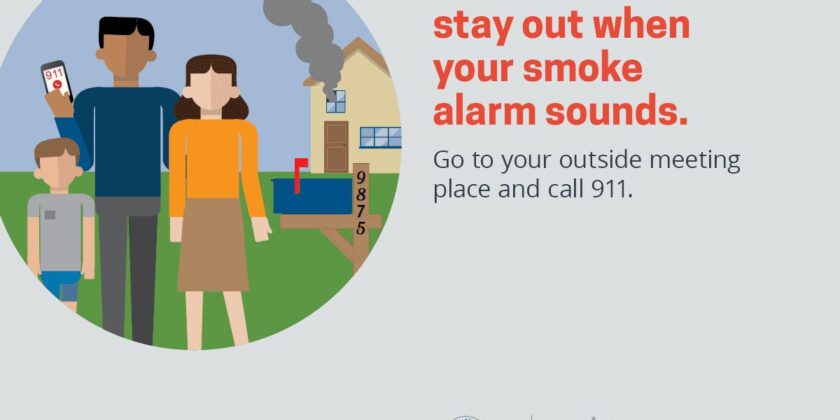
If a smoke alarm sounds, immediately evacuate the building to a safe location, call 911, and stay outside until emergency services advise you to return. Please do not go back in the building until it's deemed safe.  Here's a more detailed breakdown of the steps to take: Act Quickly: Don't waste time gathering belongings or trying to determine the cause of the alarm.  Leave the Building Immediately: If there is smoke, crawl low to the ground and proceed to the designated meeting point outside the building.  Call 911: Once outside, call 911 and provide your location and the fact that the smoke…
Read More
Common Terminology – FireFighters -LearnTheLingo -04

Common Terminology – FireFighters -LearnTheLingo -04

Commonly Used Fire Department Terminology : Air Attack: Fixed-wing aircraft that directs air tanker drops on a wildland fire. The air attack orbits above all air tankers and helicopters and serves as an “eye in the sky” over the incident. The air attack includes the pilot and the air attack supervisor, and communicates directly with the ground Incident Commander and other aircraft assigned to the incident, including media helicopters. Air Tanker: Fire retardant-dropping, fixed-wing aircraft. Air tankers are “typed” similar to engines, based upon the needs and capability of the incident. Backfire: A fire set along the inner edge of…
Read More
Honoring Gwinnett CFA Class #20

Honoring Gwinnett CFA Class #20

Walking Down Memory Lane – Honoring Gwinnett CFA Class #20! Let’s take a moment to celebrate and remember the incredible graduates of Class #20, who completed the Gwinnett Citizens Fire Academy on November 18, 2014! Your dedication, passion, and commitment to fire safety and community service continue to inspire us all. Check out these throwback photos and relive the memories! If you see yourself or a friend, tag them and share your favorite moments from Class #20. Thank you, Class #20, for being a valued part of the CFA family and for making a difference in our community! #GwinnettCFA #Class20…
Read More
Hands-Only CPR & AED Classes

Hands-Only CPR & AED Classes

Hands-Only CPR and AED classes are now open for registration in April, May, and June 2025! These free courses are an excellent opportunity to gain potential lifesaving knowledge and understanding when responding to a cardiac emergency. Classes will be held on Mondays, April 7, April 21, May 12, June 9, and June 23, from 4:00 p.m. to 6:00 p.m., at Fire and Emergency Services Headquarters, 408 Hurricane Shoals Road NE in Lawrenceville. Please note that classes are only available for Gwinnett County residents ages 18 and older. We hope to see you soon! GwinnettCounty.com/SignUpForCPR
Read More
Carbon Monoxide (CO) Alarms – Safety Tips

Carbon Monoxide (CO) Alarms – Safety Tips

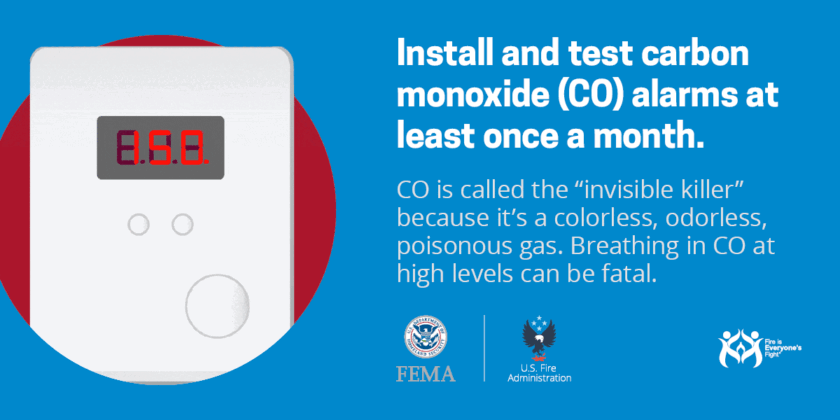
To keep safe from carbon monoxide poisoning, you can install carbon monoxide (CO) alarms, test them regularly, and avoid using fuel-burning appliances indoors.  Installation  Install CO alarms on every level of your home and outside of each sleeping area Install alarms near fuel-burning appliances Avoid blocking alarms with furniture or curtains Interconnect alarms so they all sound if one sounds Testing  Test alarms monthly by pressing the test button Replace batteries at least once a year Replace alarms every 10 years or when they indicate it's time to replace them Usage  Never use a gas range or oven for warmth Don't…
Read More
Recreational Vehicle Safety tips

Recreational Vehicle Safety tips

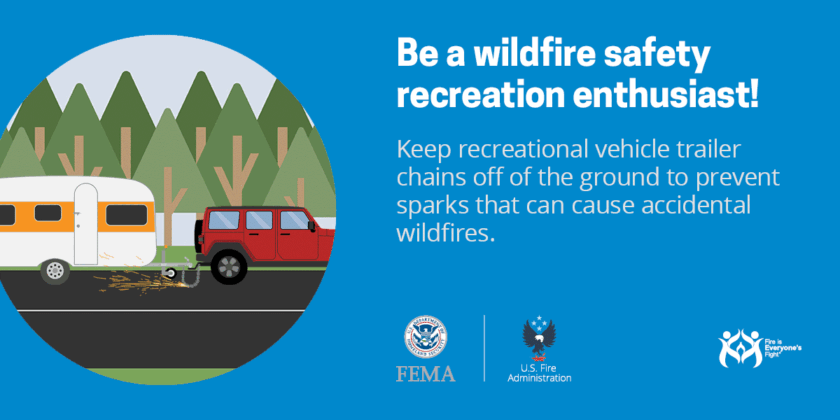
Rv Safety tips : Pre-trip inspection: Check tire pressure and tread wear.  Verify fluid levels (oil, coolant, transmission fluid).  Inspect brakes, including parking brake and tow brakes (if applicable).  Check for leaks under the vehicle.  Test lights and signals.  Ensure proper functioning of propane tanks, including leak detectors.  Route planning: Use an RV-specific GPS or atlas to avoid low bridges and tight turns.  Research weather forecasts and potential road construction.  Plan rest stops and fuel stops strategically.  Driving practices: Allow extra space when changing lanes due to larger size.  Practice wide turns and slow down when navigating tight corners.  Brake…
Read More