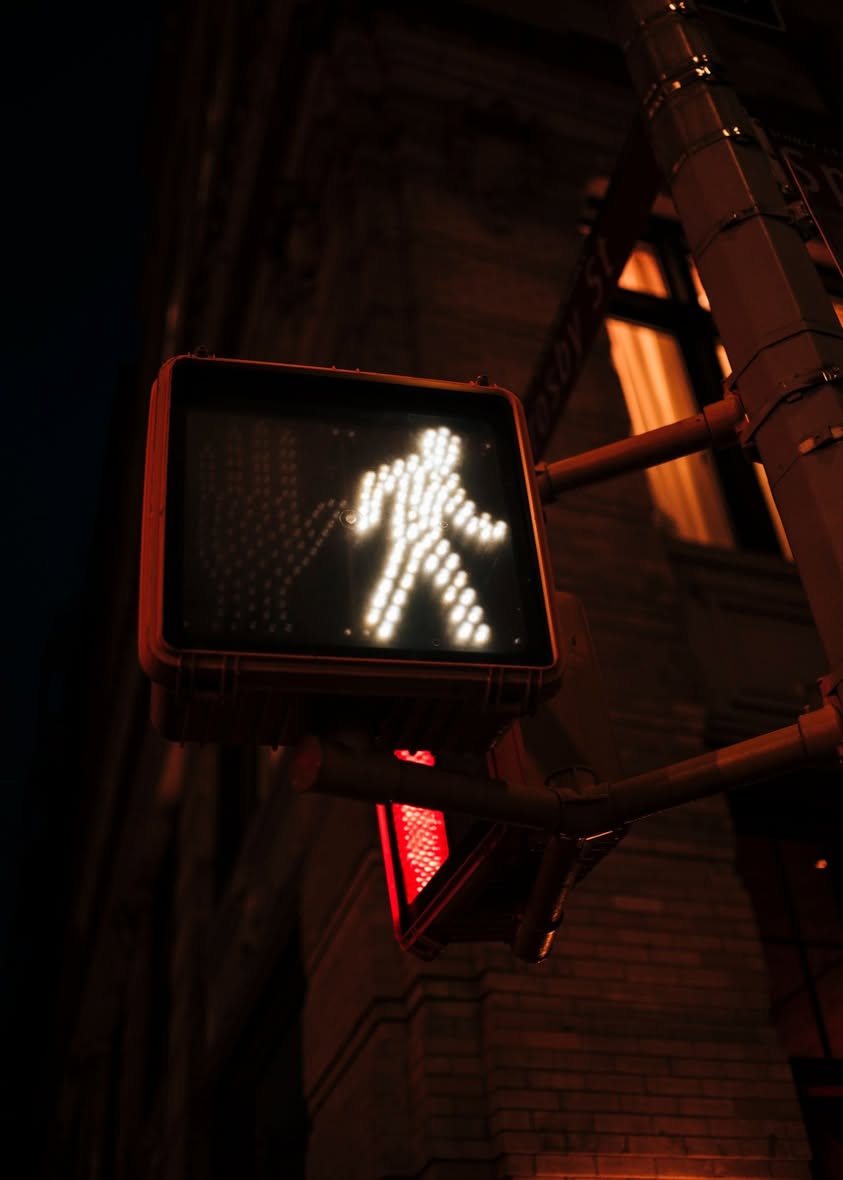
🚶️ Shorter days and darker evenings can increase the risk of incidents involving pedestrians.
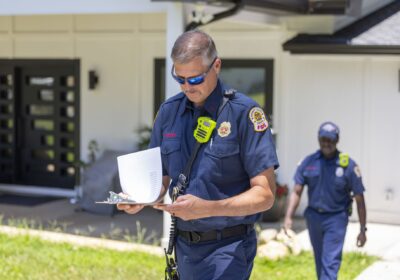
Shorter days and darker evenings can increase the risk of incidents involving pedestrians.Firefighters and medical crews remind residents:
•Wear bright or reflective clothing
•Use sidewalks and crosswalks when available
•Make eye contact with drivers before crossing
•Avoid distractions like phones when near traffic
Visibility and awareness can prevent serious injuries.
 Be seen. Be safe.
A few more tips :
As days shorten and nights grow longer, decreased visibility significantly increases risks for pedestrians. Approximately 76% of pedestrian fatalities occur in dark conditions. Following these safety protocols can help you remain visible and secure during low-light commutes or evening walks.
1. Maximize Your Visibility :
- Wear Reflective Gear: Use clothing with reflective stripes on the front, back, and sides. Small reflective patches are often insufficient for drivers to recognize you as a human from a distance.
- Choose Bright Colors: Opt for neon, white, or light-colored apparel. Avoid dark blue or black, which makes you nearly invisible at night.
- Carry a Light: Use a dedicated flashlight or headlamp to illuminate your path and alert drivers to your presence. A phone’s flashlight can work in a pinch, but a higher-lumen light is more effective.
2. Strategic Walking Habits:
- Walk Facing Traffic: If a sidewalk is unavailable, walk on the far left side of the road (in North America) facing oncoming traffic. This allows you to see approaching vehicles and react if necessary.
- Use Designated Crossings: Cross only at well-lit intersections or marked crosswalks where drivers expect foot traffic.
- Make Eye Contact: Never assume a driver sees you. Before crossing, look for brake lights and attempt to make eye contact with the driver to ensure they have acknowledged your presence.
- Ditch Distractions: Remove headphones and put away your phone while near traffic. Staring at a screen not only distracts you but also diminishes your night vision.
3. Personal Security & Planning:
- Stick to Familiar, Lit Routes: Avoid dark alleys, secluded paths, or shortcuts through parks. Use routes with consistent street lighting and high foot traffic.
- Walk with a Buddy: There is safety in numbers; walking in a group reduces the risk of being targeted and ensures someone can call for help in an emergency.
- Share Your Plans: Inform a trusted contact of your intended route and expected return time.
- Trust Your Instincts: If a situation or person feels unsafe, change your route immediately and head toward a well-lit, populated public area.
4. Summary Checklist for Night Safety :
| Category | Action Item |
|---|---|
| Gear | Reflective vest/strips, LED armbands, bright colors |
| Tools | High-lumen flashlight, fully charged phone, personal alarm/whistle |
| Route | Well-lit sidewalks, populated areas, and known paths |
| Behavior | Facing traffic, no headphones, eye contact with drivers |
Views: 25