
 Carbon monoxide is an invisible, odorless gas, and it can be deadly.
Many carbon monoxide emergencies happen because everyday household appliances aren’t working properly or being used safely.
Common sources of carbon monoxide include:
 Gas furnaces, fireplaces, and space heaters
 Vehicles running in garages (even with the door open)
 Gas powered water heaters
 Generators and grills used indoors or too close to windows
When fuel doesn’t burn completely, carbon monoxide can build up inside your home without warning.
Firefighters recommend:
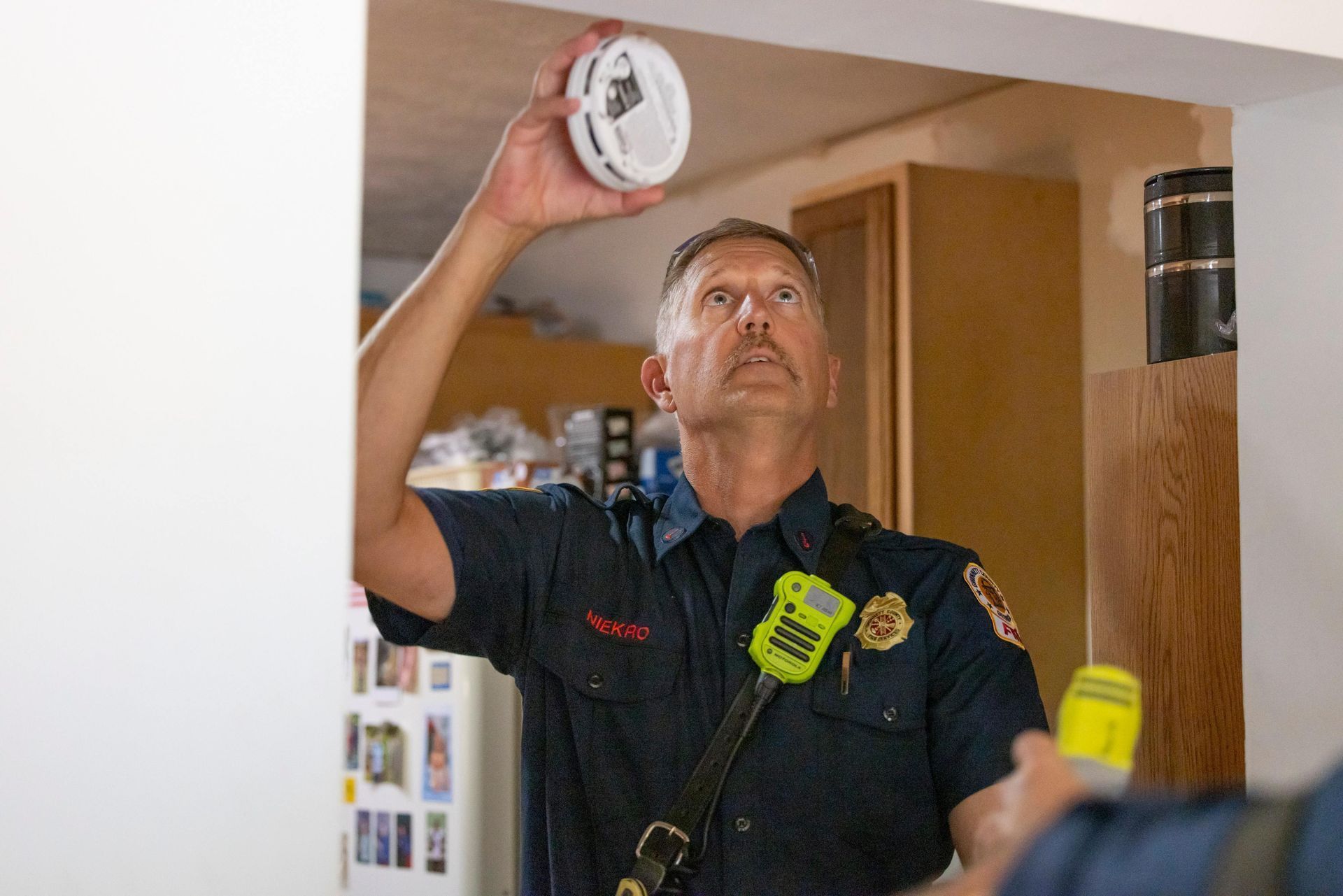
• Install carbon monoxide alarms on every level of your home
• Test alarms monthly
• Only use grills or generators outdoors
• Have fuel-burning appliances inspected annually
Early warning saves lives. Protect your home and family.
To find out more about carbon monoxide safety, check out our Residential Safety Guide: GwinnettCounty.com/SafetyGuide
(1) Essential Safety Precautions
- Install CO Alarms: Place battery-operated or battery-backup CO alarms on every level of your home, inside every bedroom, and outside each separate sleeping area.
- Maintenance & Testing:
- Test alarms monthly by pressing the test button.
- Change batteries twice a year (a good rule is to do this when you change your clocks for daylight savings).
- Replace the entire unit every 5 to 10 years, or as recommended by the manufacturer.
- Annual Inspections: Have a qualified technician inspect your heating system, water heater, and any other gas, oil, or coal-burning appliances every year.
- Keep Vents Clear: Ensure vents for your dryer, furnace, stove, and fireplace are free of debris, bird nests, or snow buildup.
(2) Safe Equipment Use
- Generators: Never use a portable generator inside your home, garage, or any semi-enclosed space, even with doors or windows open. Use them at least 20 feet away from windows, doors, and vents.
- Cooking & Heating: Never use a gas range or oven to heat your home. Never use charcoal grills or portable camping stoves indoors.
- Vehicles: Never leave a car running inside a garage, even with the garage door open.
- Fireplaces: Ensure the flue is open before lighting a fire and remains open until the ashes are completely cool.
(3) Symptoms of CO Poisoning
Symptoms often mimic the flu, but without a fever.
- Mild Exposure: Headache, dizziness, weakness, nausea, vomiting, chest pain, and confusion.
- Severe Exposure: Loss of consciousness, seizures, and death within minutes.
(4) Emergency Response
- Leave Immediately: If your CO alarm sounds or you suspect exposure, get everyone (including pets) to fresh air outside immediately.
- Call for Help: Once outside, call 911 or your local fire department.
- Stay Out: Do not re-enter the building until emergency responders declare it safe.
For more information on preventing poisoning in your specific home setup, you can consult the CDC Carbon Monoxide Prevention Guide or the American Red Cross Home Safety tips.
Views: 12