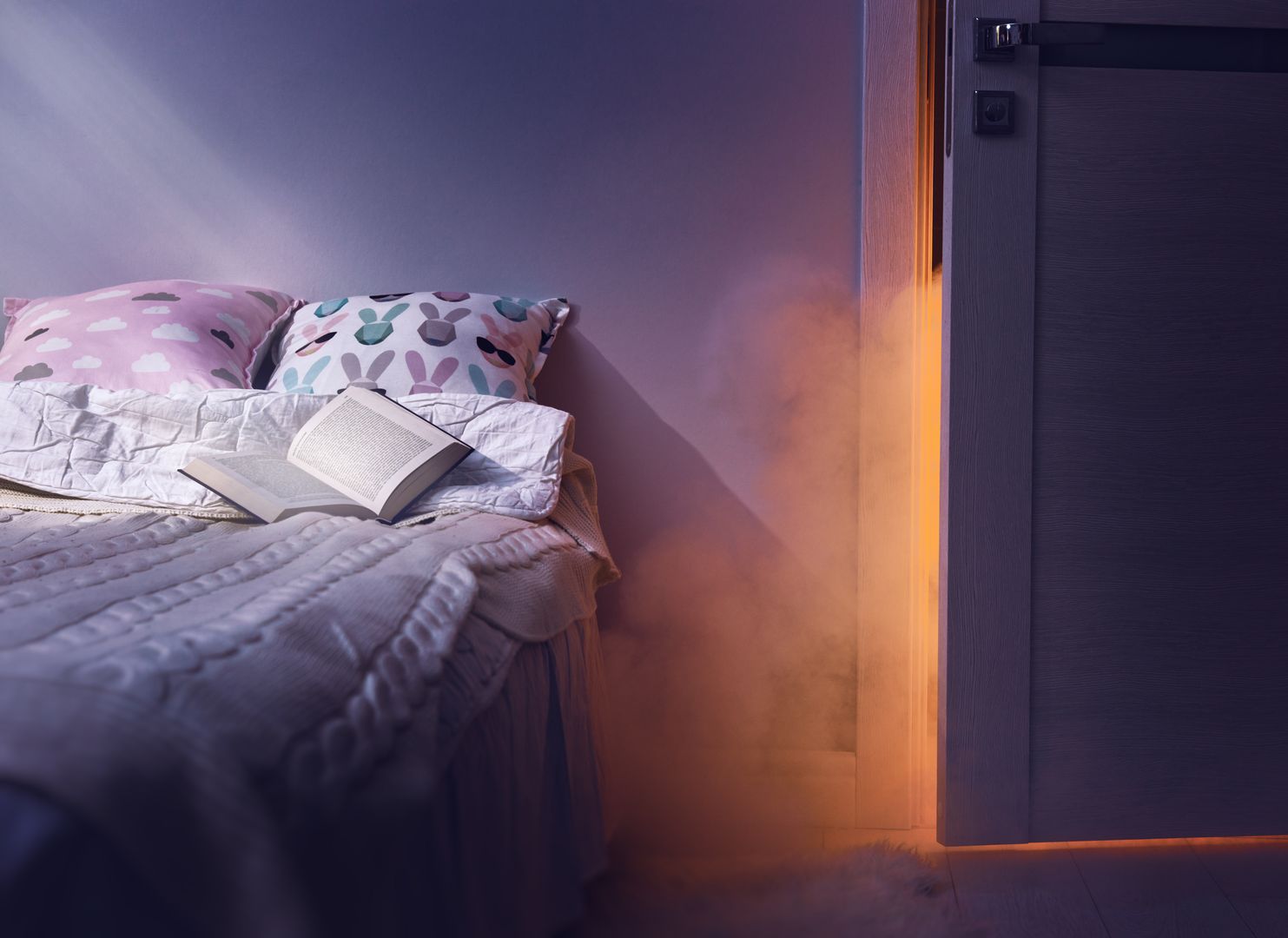
 One simple habit can help save lives while you sleep.
Firefighters recommend closing bedroom doors before going to bed.
A closed door can:
• Slow the spread of fire and smoke
• Reduce heat inside the room
• Give you more time to escape safely
It takes seconds to close a door, but it could give you minutes when it matters most.
 Close before you doze.
To ensure you and your home are prepared for fire-related emergencies, visit our Residential Safety Guide: GwinnettCounty.com/SafetyGuide
Residential fire safety guidelines focus on three critical phases: prevention, preparation, and emergency response. Adhering to these protocols can reduce the risk of fire and significantly increase survival rates during an incident.
1. Prevention: Reducing Fire Risks
- Cooking Safety: Stay in the kitchen when frying, grilling, or broiling. Keep flammable items like towels or curtains at least three feet away from the stove.
- Heating Equipment: Maintain a three-foot “kid-free” and “clutter-free” zone around space heaters and fireplaces. Turn off portable heaters when leaving a room or going to sleep.
- Electrical Hazards: Avoid overloading outlets or extension cords. Replace frayed or damaged cords immediately and do not run them under rugs.
- Smoking & Candles: Never smoke in bed or when drowsy. Use sturdy ashtrays and douse butts with water. Use flashlights instead of candles during power outages.
2. Preparation: Planning Your Escape
- Smoke Alarms: Install alarms on every level of the home, inside bedrooms, and outside sleeping areas.
- Test: Monthly.
- Batteries: Replace twice a year (unless using 10-year lithium batteries).
- Unit Replacement: Every 10 years.
- Escape Plan: Identify two ways out of every room.
- Meeting Place: Establish a designated outdoor meeting spot (e.g., a specific tree or mailbox) at a safe distance from the home.
- Practice: Conduct home fire drills at least twice a year. Aim to get everyone out in under two minutes.
3. Emergency Response: During a Fire
- Get Out, Stay Out: Once you evacuate, never re-enter for any reason. Call 9-1-1 only after you are safely outside.
- Stay Low: Crawl on your hands and knees to stay below the smoke, where air is cleaner and cooler.
- Check Doors: Use the back of your hand to feel the top of a door or the crack before opening. If it is hot, do not open it; use your secondary exit.
- If Trapped: Close all doors between you and the fire. Seal cracks around the door with wet towels or tape. Signal for help at a window with a light-colored cloth or flashlight.
- Stop, Drop, and Roll: If your clothes catch fire, immediately stop, drop to the ground, cover your face, and roll until the flames are out.
Views: 1