When roads are cold, every decision counts.
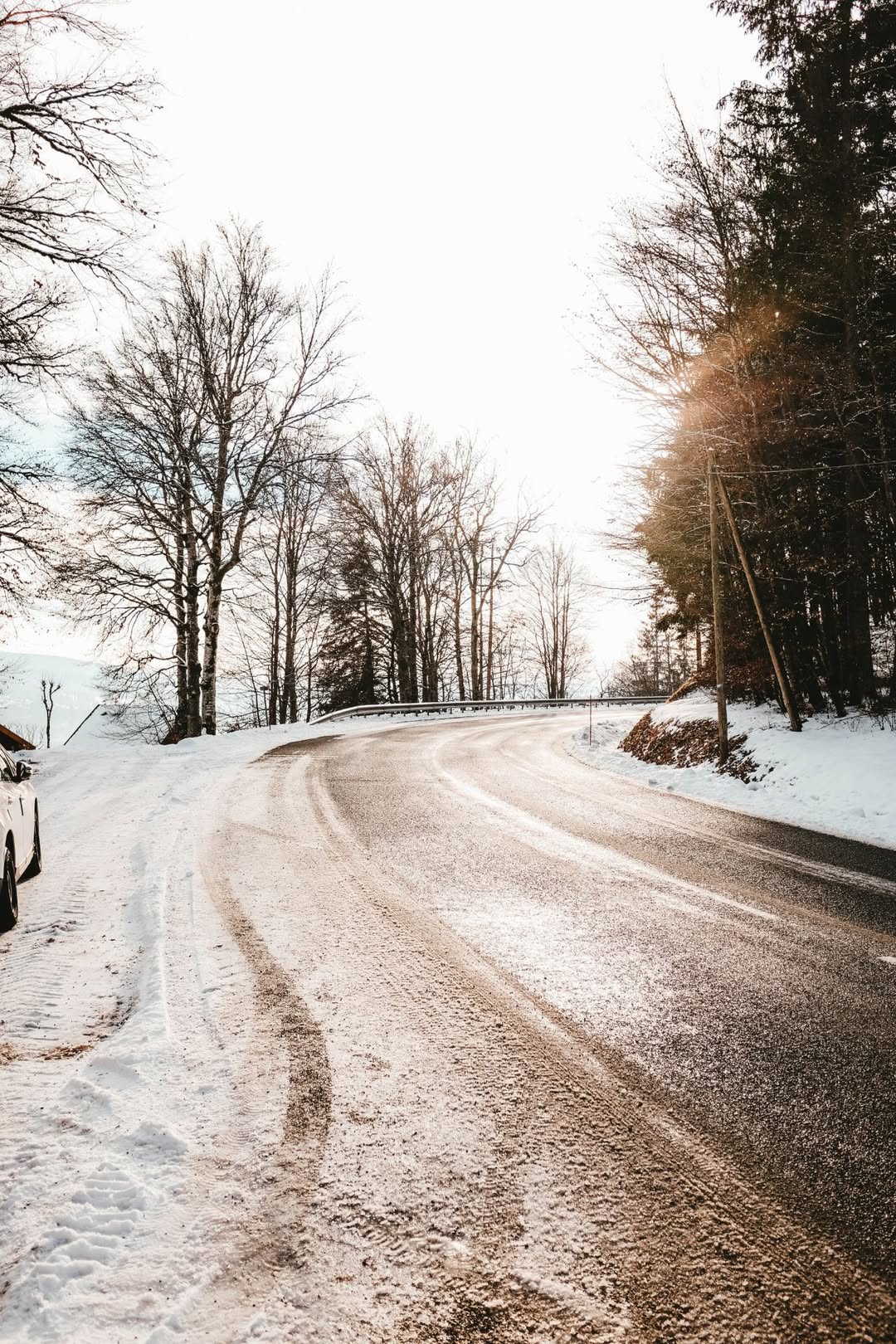
Winter weather can make driving conditions unpredictable and dangerous, especially when black ice forms and blends in with the road surface.
 Remember: Slow down. Stay alert. Get home safe.
- Give yourself extra space
- Avoid sudden braking
- Watch bridges and shaded areas
- Stay focused behind the wheel.
Smart driving saves lives.
For more information on winter driving safety, visit GwinnettSafety411.com.
To ensure safety during cold weather, driving requires a shift in both vehicle preparation and on-road behavior. Experts emphasize three core principles: Prepare the vehicle and driver, Protect yourself and passengers, and Prevent crashes through defensive driving.
SafetyCulture +1
1. Essential On-Road Safety Measures
- Reduce Speed: Posted speed limits are for ideal conditions. Drive slower than normal to maintain control on slick surfaces.
- Increase Following Distance: Expand the gap between you and the vehicle ahead to 8 to 10 seconds (up from the standard 3-4 seconds) to provide ample stopping time.
- Brake and Accelerate Gently: Avoid sudden movements. Apply steady, firm pressure to the brakes if you have an Anti-lock Braking System (ABS); if not, pump the brakes to prevent locking.
- No Cruise Control: Never use cruise control on wet, icy, or snowy roads, as it can cause loss of traction and skidding.
- Steer Into Skids: If your car begins to slide, stay calm, ease off the gas, and steer in the direction you want the front of the car to go.
- Watch for Trouble Spots: Bridges, overpasses, and shaded areas freeze first and stay frozen longer.
- Give Snowplows Space: Stay at least four car lengths (or 200 feet) back. Never pass a plow on the right, and avoid traveling beside them
2. Vehicle Preparation & Maintenance
- Check Tires: Ensure tires have adequate tread depth and are properly inflated, as pressure drops about 1 PSI for every 10°F drop in temperature. Consider winter tires for superior grip.
- Battery Health: Cold weather significantly reduces battery power. Have your battery and charging system tested by a professional.
- Fluid Levels: Use winter-grade motor oil and windshield wiper fluid rated for sub-freezing temperatures.
- Gas Tank: Keep the tank at least half full to prevent fuel line freeze-up and ensure you have enough fuel to run the engine for heat if stranded.
- Clear All Visibility Surfaces: Remove all snow and ice from windows, mirrors, lights, and the vehicle’s roof before driving to prevent it from flying off and hitting other cars.
3. Emergency Preparedness & Survival
If you become stranded, stay with your vehicle. It provides shelter and makes it easier for rescuers to find.
- Stock a Winter Emergency Kit:
- Flashlight with extra batteries, jumper cables, and a small shovel.
- Abrasive material like sand, salt, or kitty litter for traction.
- Blankets, warm clothing (hats, gloves), and high-calorie non-perishable snacks.
- A brightly colored cloth to tie to your antenna as a distress signal.
- Carbon Monoxide Safety: If running the engine for heat while stopped, ensure the exhaust pipe is clear of snow and open a window slightly for ventilation.
Views: 2