Fat, Oils, & Grease (FOG) Disposal  — Tips

Fat, Oils, & Grease (FOG) Disposal — Tips

By being mindful of fat, oil, and grease disposal, we can help protect our sewer system and the environment. When rinsed down the drain, FOG(Fat, Oil, & Grease)  solidifies, leading to blockages and potential damage. Save money and the environment with these helpful disposal tips:   Scrape food scraps into the trash Wipe excess FOG off dinnerware and cookware before washing Use sink strainers to keep food scraps out of the drain Pour used FOG in a container with a lid and place it in the trash Visit UnclogTheFog.com to learn more about proper FOG disposal. More Tips : To safely dispose…
Read More
Grill Safety Tips

Grill Safety Tips

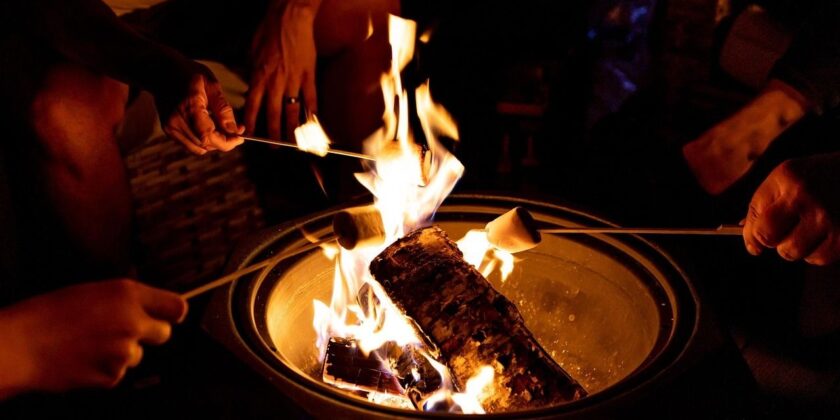
Outdoor grilling and barbecues are a great way to create memories with family and friends. However, the safe use and operation of open-flame devices are just as essential to having a good time. One of the leading causes of apartment and townhome fires involves the misuse of outdoor grills. The following fire safety regulations will help you enjoy this outdoor activity: Don’t use grills and barbecues indoors or on apartment balconies Grills and barbecues should be on ground level and at least 10 feet away from buildings Coal should completely cool and dry before disposal Grills and barbecues must always…
Read More
National Public Health Week

National Public Health Week

It’s National Public Health Week — a great reminder to reflect on your health, the health of your loved ones, and how to respond to a potential medical emergency. While medicine has many benefits, it’s important to always make sure it’s safely stored away. The following safety tips will help see that your medication helps rather than hurts: Organize your medication! Make sure it isn’t expired, is stored in its original packaging with the cap correctly sealed, and is out of reach from pets and children. Store your medication away in a secured location, such as a locked cabinet, closet,…
Read More
Nighttime Visibility for Road Safety Tips

Nighttime Visibility for Road Safety Tips

Nighttime road safety hinges on visibility; drivers have significantly less time to react to hazards at night, with visibility limited to about 250-500 feet, depending on the headlight type. Enhancing visibility through improved lighting, reflective materials, and driver awareness can dramatically reduce accidents.  Here's a more detailed look at nighttime visibility for road safety: 1. The Problem: Reduced Visibility and Increased Risk : Limited Visibility: At night, drivers can typically only see about 250 feet ahead with normal headlights, and even with high beams, visibility is limited to around 500 feet.  Reduced Reaction Time: This limited visibility significantly reduces the time drivers have…
Read More
Distracted Driving Awareness Month

Distracted Driving Awareness Month

Distracted Driving Awareness Month is recognized nationwide in April and reminds residents to focus only on the road while behind the wheel. You can help better prevent an accident by following these safety tips: Follow Georgia’s Hands-Free Act and keep your phone out of your hands and sight when driving. Do not wear headphones or earbuds for entertainment purposes behind the wheel. If you need to answer a call or send a text, pull your car over once you’re in a safe location. Turn your phone off before even getting in your vehicle. Some more tips : Before You Drive:…
Read More
Waterpool – Safety Tips

Waterpool – Safety Tips

It won’t be much longer until pool weather returns! Here are some helpful safety tips to keep in mind when enjoying the water with your family this year: Always wear a life jacket when on the water. Always watch children when they are in or near any type of water. Be mindful of inflatable or portable pools — these types of pools can also pose a drowning risk and are generally not separated by fencing on all four sides. Take a CPR course and know how to use rescue equipment in case you need to respond to an emergency. Stay…
Read More
Hazardous Waste Handling – Tips

Hazardous Waste Handling – Tips

Did you know there are safe ways to reduce the amount of hazardous materials in your home, such as pesticides, cleaners, dead batteries, and more? Using a plunger or plumber's snake, you can clear clogs without a drain cleaner. Vinegar and lemon juice mixed with water can also replace the need for glass cleaner. Batteries and car batteries can also be safely disposed of at nearby retail and auto parts stores instead of being discarded in your trash cans on the curb! The proper disposal of hazardous materials can go a long way to keep you, your family, and your…
Read More
When Smoke Alarms -Steps To Follow

When Smoke Alarms -Steps To Follow

If a smoke alarm sounds, immediately evacuate the building to a safe location, call 911, and stay outside until emergency services advise you to return. Please do not go back in the building until it's deemed safe.  Here's a more detailed breakdown of the steps to take: Act Quickly: Don't waste time gathering belongings or trying to determine the cause of the alarm.  Leave the Building Immediately: If there is smoke, crawl low to the ground and proceed to the designated meeting point outside the building.  Call 911: Once outside, call 911 and provide your location and the fact that the smoke…
Read More
Carbon Monoxide (CO) Alarms – Safety Tips

Carbon Monoxide (CO) Alarms – Safety Tips

To keep safe from carbon monoxide poisoning, you can install carbon monoxide (CO) alarms, test them regularly, and avoid using fuel-burning appliances indoors.  Installation  Install CO alarms on every level of your home and outside of each sleeping area Install alarms near fuel-burning appliances Avoid blocking alarms with furniture or curtains Interconnect alarms so they all sound if one sounds Testing  Test alarms monthly by pressing the test button Replace batteries at least once a year Replace alarms every 10 years or when they indicate it's time to replace them Usage  Never use a gas range or oven for warmth Don't…
Read More
Recreational Vehicle Safety tips

Recreational Vehicle Safety tips

Rv Safety tips : Pre-trip inspection: Check tire pressure and tread wear.  Verify fluid levels (oil, coolant, transmission fluid).  Inspect brakes, including parking brake and tow brakes (if applicable).  Check for leaks under the vehicle.  Test lights and signals.  Ensure proper functioning of propane tanks, including leak detectors.  Route planning: Use an RV-specific GPS or atlas to avoid low bridges and tight turns.  Research weather forecasts and potential road construction.  Plan rest stops and fuel stops strategically.  Driving practices: Allow extra space when changing lanes due to larger size.  Practice wide turns and slow down when navigating tight corners.  Brake…
Read More