Fire Programs – Escape Planning

Fire Programs – Escape Planning

Did you know that the average fire can double in size every 30 seconds? That’s why seconds matter when it comes to escape planning. During a fire, you may have less than two minutes to get out safely. Preparation makes all the difference, especially for kids. Here’s how to get started: -Practice two ways out of every room in your home (doors, windows, or alternate exits). -Choose a safe meeting place outside, like a mailbox, streetlight, or neighbor’s driveway, where everyone can gather. -Review your plan twice a year so it stays fresh in everyone’s mind. -Involve your children by…
Read More
Fire Escape Plan – Family Safe Practices

Fire Escape Plan – Family Safe Practices

A Message from Fire Chief Fred Cephas Chief Cephas reminds us of the importance of fire safety in our homes and communities. One of the best ways to keep your family safe is to practice and develop a fire escape plan. Knowing your exits, having a meeting place, and practicing regularly could make all the difference in an emergency. Fire Escape Plan Checklist: • Identify 2 exits from every room. • Choose a safe family meeting spot outside. • Practice your plan at least twice a year. • Make sure everyone knows how to call 9-1-1. • Keep hallways and…
Read More
Flood Risks – Actions To Take Care

Flood Risks – Actions To Take Care

Did you know that floods are the most common disaster in the United States? Floods can rise slowly over days, often from prolonged rainfall. Flash floods happen rapidly, sometimes in minutes, due to intense storms or dam failures. They offer little to no warning, and you may only have seconds to escape, so act quickly! Here are some tips to help you and your family be prepared: Know your area's flood risk: Check FloodSmart.gov. Keep important policies, papers, and valuables in a safe-deposit box. Prepare a family disaster plan. Identify where you could go if told to evacuate. Get flood…
Read More
Build Your Emergency Kit

Build Your Emergency Kit

Could you go 72 hours without power or running water? Now’s the time to build your emergency kit. Here’s what you need: Water (1 gallon per person per day) Food Flashlight and batteries First-aid kit Medications Copies of important documents Having supplies ready can make all the difference. Need help getting started? Check out GwinnettCounty.com/BePrepared or Ready.gov to learn more! #BeReadyGwinnett #EmergencyKit #NationalPreparednessMonth
Read More
Weather Aware  – Stay Safe

Weather Aware – Stay Safe

Hurricanes may not hit Gwinnett County directly, but their winds, heavy rain, and tropical storm impacts can still cause severe damage — and Mother Nature doesn’t always stick to the June through November hurricane season. Did you know? Gwinnett County is at a moderate risk and has experienced 17 severe weather events since 2002, including three hurricanes and 14 tropical storms. The most recent? Hurricane Helene. Possible impacts in our area:  Property damage  Downed trees & power lines  Heavy rainfall & flooding How to prepare:  If thunder roars, go indoors  Trim dead branches that could fall and cause damage  Always…
Read More
Emergency Preparedness – Tips

Emergency Preparedness – Tips

When it comes to emergency preparedness, a basic disaster supply kit can make all the difference. So, what’s in it? You may guess a flashlight, extra batteries, and a first aid kit. Yes, that’s correct. But the list doesn’t end there. Here are other items to include: Water and non-perishable food for several days Extra cell phone battery or charger A battery-powered or hand-crank radio that can receive NOAA Weather Radio tone alerts, and extra batteries Whistle to signal for help Dust mask, to help filter contaminated air, and plastic sheeting and duct tape to shelter-in-place Moist towelettes, garbage bags,…
Read More

Dos & Don’ts For Emergency Vehicle

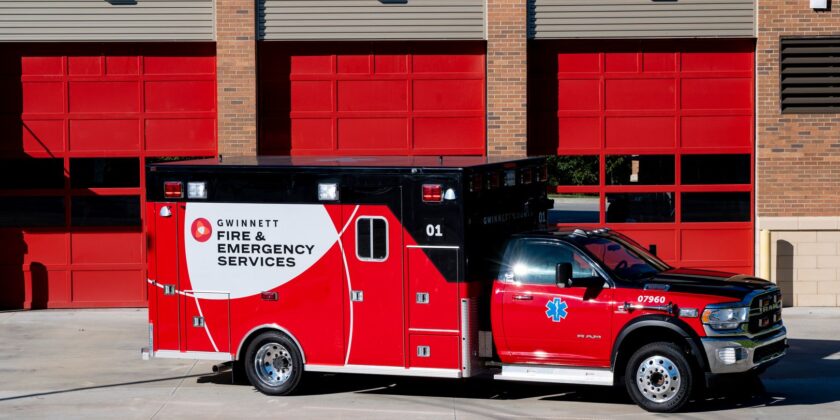
When an emergency vehicle like an ambulance, fire truck, or police vehicle approaches, do you know the safest way to react? Whether you’re on a highway or in traffic, we know scenarios are different. Understanding the basics helps keep our roads safer for everyone, especially as we respond to emergencies. Watch the video for a look at the dos and don’ts. We thank you for doing your part! For more safety tips, visit GwinnettSafety411.com.
Read More