Home Fire – Safety Tips

Home Fire – Safety Tips

Did You Know?In a home fire, temperatures can reach over 1,000°F at eye level — hot enough to melt metals. But near the floor, it can be hundreds of degrees cooler. Always remember “when smoke starts to show, stay down low and go.” Staying low gives you precious seconds to escape safely when fire strikes. Talk to your family this weekend about practicing a fire drill, and make sure everyone knows to crawl under the smoke.
Read More
Fire – Safety Tips – National Fire Protection Agency

Fire – Safety Tips – National Fire Protection Agency

Not all fires start in the kitchen or from heaters; some begin in the trash.The National Fire Protection Agency identifies improperly discarded cigarettes, matches, and fireplace ashes as the cause of close to 10,000 home fires every year across the U.S.Here are three quick ways to prevent it: • Always place in a metal container with water. Keep it outside, away from decks or porches. • Use deep, sturdy ashtrays. Never toss butts in plant pots, mulch, or grass. • Make sure they are fully out before discarding. These simple steps keep fire where it belongs — in your fireplace…
Read More
HouseFire Survival Tips

HouseFire Survival Tips

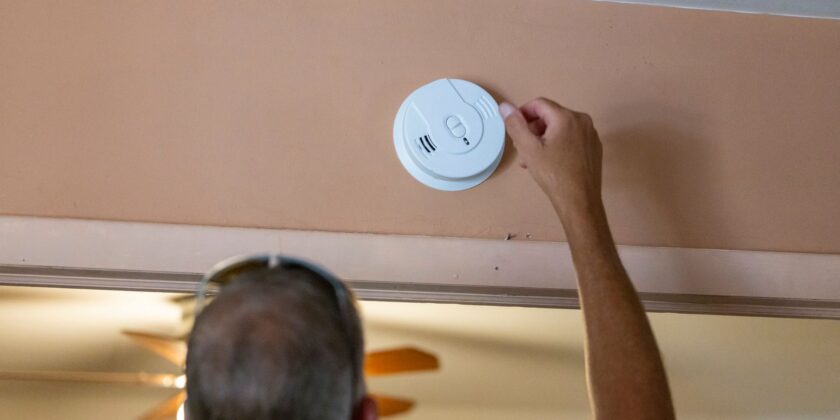
An early morning house fire in Norcross sent two family members to the hospital after flames spread quickly through their home. Firefighters faced additional challenges when security bars blocked windows and doors, delaying escape. This incident shines a light on the importance of being prepared before an emergency happens. During Fire Prevention Month, we encourage every household to: Test smoke alarms monthly to ensure they’re working Close the door to your bedroom before going to sleep at night Practice a home escape plan so all family members know two ways out of every room Have a fire escape ladder available for rooms…
Read More
Healthy Habits For Cold &  Flu Season

Healthy Habits For Cold & Flu Season

Spending more time indoors and in close contact with people is one reason for the increase spread of viruses during the fall and winter. The cooler, drier air also makes it easier for respiratory viruses, like the common cold and flu, to replicate, according to the National Library of Medicine. That’s why handwashing is so important to prevent the spread of germs and viruses. Our medical directors Dr. Patrick McDougal and Dr. Neha Verma discuss why proper hygiene is important in limiting the spread of the cold and flu. Watch Video : https://vimeo.com/1122295799?share=copy
Read More

Fall Into Fire & Life Safety

The fall season is the start of family gatherings, festive decorations, and delicious meals — but it also brings unique fire and life safety hazards that can turn celebrations into emergencies. With a little preparation, you can keep the season safe and joyful. Halloween will be here before you know it. Watch this video with your children as a reminder to follow important safety tips while trick-or-treating. When decorating for the upcoming holiday season: Use battery-operated candles. They give the same glow without the flame. Keep decorations and Christmas trees away from flames and heat sources. When buying an artificial tree,…
Read More
Keeping Children Safe Preparing For Unexpected

Keeping Children Safe Preparing For Unexpected

Gwinnett families, keeping our children safe means preparing for the unexpected. Many children’s first reaction to a fire is to hide under the bed or in a closet. You don’t get to pick the day an emergency happens, but you can prepare for it. Fire safety starts at home, and it starts today. Here are a few steps from our new PSA to help protect your children: • Test smoke alarms every month • Show kids two ways out of each room • Pick a safe meeting place outside • Teach kids: once outside, stay outside and never go back inside the home…
Read More
Hazard Mitigation Plan

Hazard Mitigation Plan

With the recently approved Hazard Mitigation Plan, we’re taking proactive measures to protect lives and property.This plan — created in partnership with our municipalities — identifies potential hazards and creates a framework to help local officials make informed decisions to keep our community safe. It also provides a strategy for implementing mitigation projects like installing generators at critical facilities, improving stormwater infrastructure, and boosting community preparedness through outreach.To read our Office of Emergency Management’s 2025 Hazard Mitigation Plan, visit: GwinnettCounty.com/HazardMitigation
Read More
Safety Reminder Avoiding Fire Hazards

Safety Reminder Avoiding Fire Hazards

Leaves are falling, chimneys are crackling, and fire pits are glowing. It’s the season for comfort, but also a time to be mindful of hidden hazards around the home. These simple safety reminders will help you protect what matters most while still enjoying everything the season brings. • Vent vigilance: Clear dryer vents so warmth stays where it belongs. • Ash awareness: Ashes hold heat for days — store them in a metal bin outdoors. • Leaf logic: One spark can ignite dry leaves. Clear your gutters and porches. • Decoration distance: Keep pumpkins, wreaths, and hay bales three feet…
Read More
Safety Measures – Kitchen

Safety Measures – Kitchen

Fall weekends are perfect for cooking cozy meals at home, but did you know that cooking is the leading cause of home fires, according to the National Fire Protection Agency? Here’s your 2-minute safety check: Make sure dish towels, paper towels, and oven mitts are kept away from the stove. Comment “Done” if you completed today’s safety check. Let’s see how many Gwinnett families are fire-ready this weekend. For more safety tips, visit: GwinnettSafety411.com
Read More