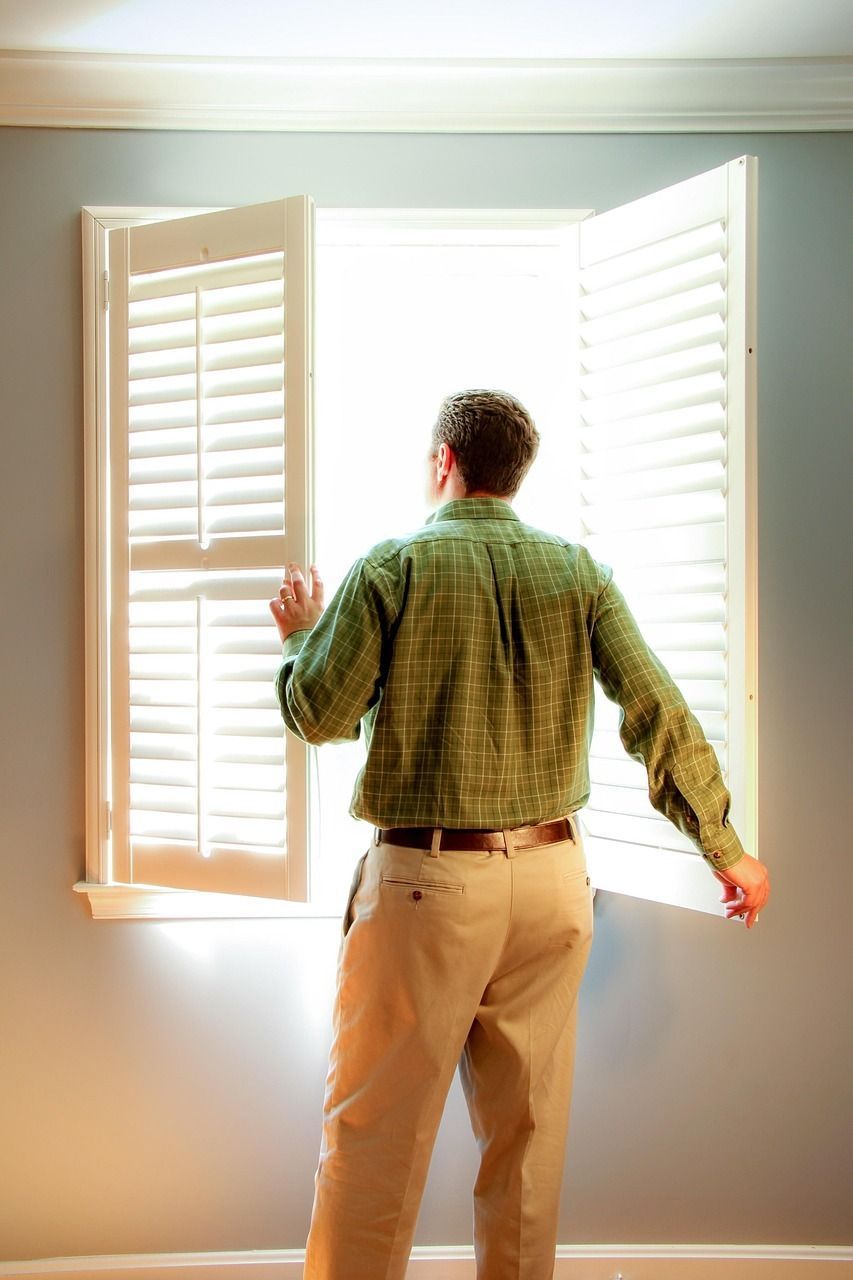
In just a few seconds, knowing how to exit through a window can make the difference during a home fire.
Make sure windows can serve as a safe second exit:
- • Opens easily without tools or keys
- • Free of security bars or obstructions
- • Clear of furniture or clutter
- • Large enough for everyone to fit through
Get out. Stay out. Call 911.
Take two minutes today to check that windows in sleeping areas can be opened quickly in an emergency.
To ensure your bedroom windows serve as a safe and effective means of escape during a fire, they must meet specific “egress” standards and be maintained for quick operation.
(1) Essential Window Safety Standards (Egress):
Building codes require at least one emergency escape and rescue opening in every bedroom.
- Minimum Opening Area: The window must provide at least 5.7 square feet of net clear opening (reduced to 5.0 square feet for ground floor or below-grade openings).
- Minimum Dimensions: The opening must be at least 24 inches high and 20 inches wide.
- Sill Height: The bottom of the window opening (the sill) must not be more than 44 inches from the floor.
- Operability: The window must be operable from the inside without the use of keys, tools, or special knowledge.
(2) Safe Escape Procedures :
If your primary exit is blocked by fire or smoke, use your bedroom window as an alternative:
- Check Conditions: If the door to the hallway is hot, do not open it. Keep the door closed and use towels or bedding at the bottom to block smoke.
- Ground Floor Exit: Open the window and step out. If you must drop, throw bedding or cushions outside first to break your fall.
- Upper Floor Exit: If you have a fire escape ladder, deploy it according to the manufacturer’s instructions. If dropping, lower yourself by your arms from the ledge before letting go to minimize the distance.
- Signal for Help: If you cannot escape, open the window and wave a bright sheet or use a flashlight to signal firefighters.
(3) Maintenance and Prevention:
- Remove Obstructions: Do not place heavy furniture (like large headboards) or air conditioning units in front of the egress window.
- Security Bars: Any security bars, grilles, or covers must have a quick-release mechanism that works from the inside without tools.
- Window Wells: For basement bedrooms, window wells must allow the window to fully open and must include a permanently affixed ladder if the well is deeper than 44 inches.
- Tempered Glass: Consider replacing single-pane windows with dual-pane tempered glass, which is four times more resistant to heat and breaking during a fire.
Views: 89