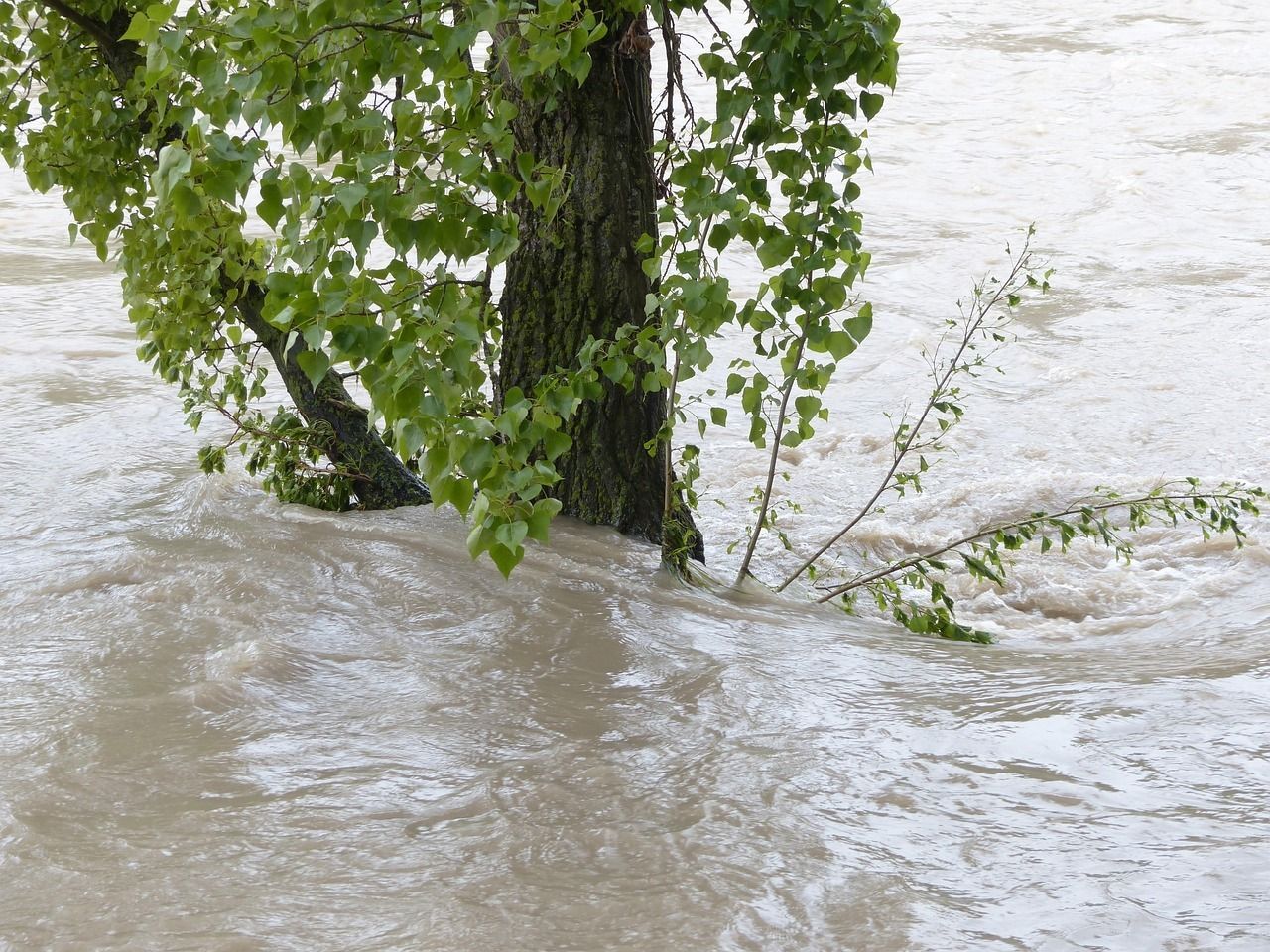
Spring weather in Georgia can bring heavy rain, and flooding can happen faster than many people expect.
Flooding is most common from late winter through spring, especially when storms produce prolonged rainfall or move slowly across the area.
Low-lying roads, creeks, and drainage areas can become dangerous in minutes.
Stay safe:
• Never drive through flooded roadways
• Turn around and find another route
• Keep children away from moving water
• Stay alert for rapidly changing conditions
Learn how to prepare and respond to flooding: GwinnettCounty.com/Floods
More safety Tips :
To stay safe during a flood, the most critical rule is “Turn Around, Don’t Drown“—never walk, swim, or drive through floodwaters.
(1) Immediate Survival (During a Flood):
- Move to higher ground immediately if a flash flood is possible; do not wait for official instructions.
- Avoid all floodwater:
- Walking: Just 6 inches of moving water can knock an adult off their feet.
- Driving: 12 inches can float a car, and 2 feet can sweep away large vehicles like SUVs or trucks.
- If trapped in a building: Go to the highest level, but avoid closed attics where you could be trapped by rising water. Move to the roof only if necessary and signal for help.
- Stay off bridges over fast-moving water, as they can collapse without warning.
- If trapped in a vehicle:
- If water is rising inside, get out and climb onto the roof.
- If you must break a window, use an escape tool or a headrest prong to hit the corner of the glass.
(2) Preparation (Before a Flood):
- Know your risk: Check your FEMA Flood Map to see if you live in a flood-prone area.
- Sign up for alerts: Register for local emergency notifications and keep a battery-powered NOAA Weather Radio handy.
- Build a “Go Bag”: Include at least three days of water (one gallon per person/day), non-perishable food, medications, and a first-aid kit.
- Secure your home:
- Store important documents in waterproof containers or digital backups.
- Install check valves in plumbing to prevent sewage backflow.
- Elevate critical utilities like furnaces, water heaters, and electric panels.
(3) Recovery (After a Flood):
- Wait for the “All Clear”: Return home only when authorities declare it safe.
- Avoid standing water: It may be electrically charged by downed power lines or contaminated with sewage and chemicals.
- Document damage: Take photos or videos of your property for insurance claims.
- Clean and disinfect: Throw away any food (including canned goods) that touched floodwater. Disinfect everything that got wet to prevent mold, which can grow within 24–48 hours.
Views: 19